
Lower heating and cooling costs
By slowing heat transfer through ceilings, walls and floors, bulk insulation reduces the workload on heaters and air conditioners, cutting power bills in Southbank’s climate.
Southbank
Bulk insulation traps still air to slow heat flow through ceilings, walls and floors. In Southbank’s high-rise apartments and older buildings, it keeps winter warmth in and summer heat out, cutting energy costs all year.
Share your details and Expert Insulation Melbourne will contact you about Bulk Insulation in Southbank.
Bulk insulation uses dense batts of glasswool, polyester or rockwool to resist heat transfer. In Southbank, it is fitted between ceiling joists, inside wall cavities during renovations and under suspended floors to reduce heat loss in winter and heat gain in summer.
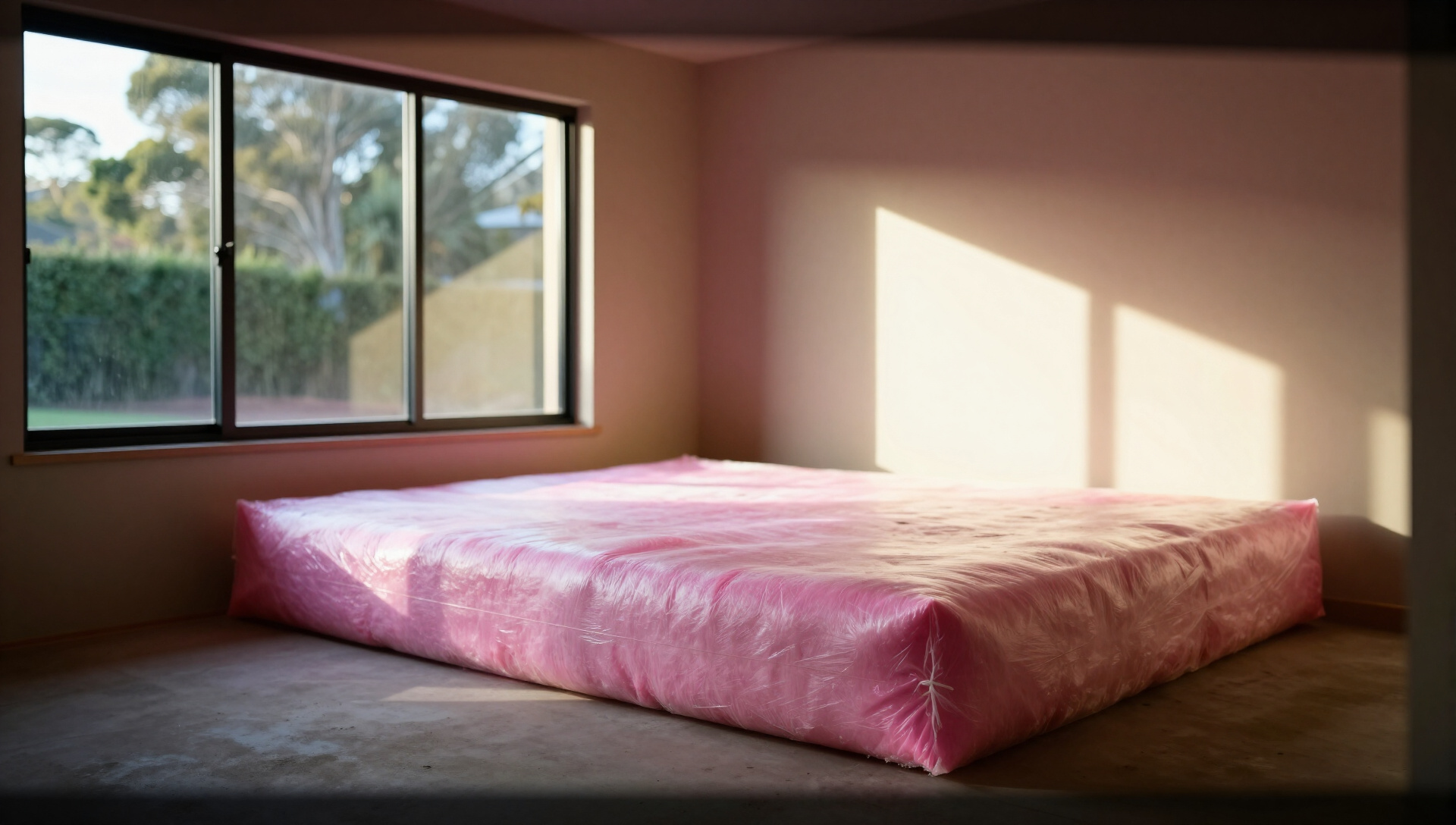
Southbank’s mix of older apartments and modern units faces big temperature swings. Bulk insulation addresses the main paths of heat loss and gain, improving comfort and lowering energy use.
By slowing heat transfer through ceilings, walls and floors, bulk insulation reduces the workload on heaters and air conditioners, cutting power bills in Southbank’s climate.
Dense batts stabilise indoor temperatures, so apartments and homes stay warmer in winter and cooler in summer without constant adjustments to thermostats.
Glasswool and rockwool batts absorb airborne noise, helping to dampen sound between floors and walls in multi-storey buildings common in Southbank.
Properly installed bulk insulation with a vapour barrier helps manage moisture, reducing the risk of condensation in roof spaces and subfloors.
Batts can be retrofitted into ceiling spaces and under floors, and installed in wall cavities during renovations or new builds in apartments and older structures.
Quality batts retain their thickness and R-value over time, provided they stay dry and undamaged, delivering reliable thermal resistance for decades.
Installation follows a clear process to ensure full coverage and no gaps. Access and building type in Southbank can affect the steps, especially in high-rise units.
We check the roof space, wall cavities or subfloor for access, existing insulation, wiring, downlights and moisture. In apartments, we confirm body corporate approvals and safe access routes.
Based on your building’s needs, we recommend glasswool, polyester or rockwool batts and the right R-value for ceilings, walls or floors to meet thermal resistance targets.
We clear dust and debris from the roof space or subfloor, and ensure safe, unobstructed access. If old batts are compressed or damaged, we remove them first.
Batts are cut to fit snugly between joists, studs or bearers, with no compression or gaps. We maintain required clearances around downlights, flues and electrical cables.
Southbank’s high-density living means many homes share walls, floors and ceilings with neighbours. Bulk insulation in ceilings and under floors reduces heat transfer between units and the outside, improving comfort and energy efficiency. For older buildings, retrofitting ceiling insulation is often the most effective upgrade, while wall insulation can be added during renovations.
Reduce energy costs in Southbank apartments and units with ceiling, wall and underfloor bulk insulation.
Homeowners and body corporates in Southbank often ask about suitability, R-values and installation practicalities for bulk insulation.
Bulk insulation in Southbank targets the main paths of heat loss and gain in apartments, units and older buildings. Ceiling insulation is the most common upgrade, as heat rises and escapes through uninsulated roof spaces. Wall insulation can be added during renovations, and underfloor batts improve comfort in suspended timber floors by reducing draughts and cold floors.
Glasswool, polyester and rockwool batts are the standard bulk insulation materials. Glasswool offers good thermal and acoustic performance at a lower cost. Polyester is non-itch and often preferred for DIY or sensitive applications. Rockwool provides high fire resistance and durability, suitable for walls and floors where moisture may be present.
The right R-value depends on the application: ceilings commonly use R4.0 to R6.0, walls R2.0 to R2.7, and underfloors R1.5 to R2.5. Higher R-values provide greater thermal resistance but require thicker batts, so ceiling height and wall cavity depth can limit choices. In Southbank, body corporate rules and access constraints in high-rise buildings may also influence product selection.
Call Expert Insulation Melbourne on 0399695249 or email info@expertinsulationmelbourne. com. au to discuss bulk insulation for your Southbank apartment or building.