
Lower heating and cooling costs
Uninsulated brick walls lose up to 35 percent of a home’s heat in winter and absorb radiant heat in summer. Cavity insulation reduces this transfer, so your heater and air conditioner run less often.
Southbank Wall Insulation
Cavity wall insulation in Southbank reduces heat loss through brick veneer and double brick walls, cutting heating and cooling costs year round. Expert Insulation Melbourne installs it with minimal disruption to your home.
Share your details and Expert Insulation Melbourne will contact you about Cavity Wall Insulation in Southbank.
Cavity wall insulation fills the gap between the inner and outer leaf of brick veneer or double brick walls with insulating material. In Southbank, this stops winter heat escaping and summer heat entering through the walls, which are a major source of energy loss in older brick homes. The process uses small holes drilled into the mortar, through which loose-fill or injected foam insulation is placed, then the holes are patched to match the existing brickwork.
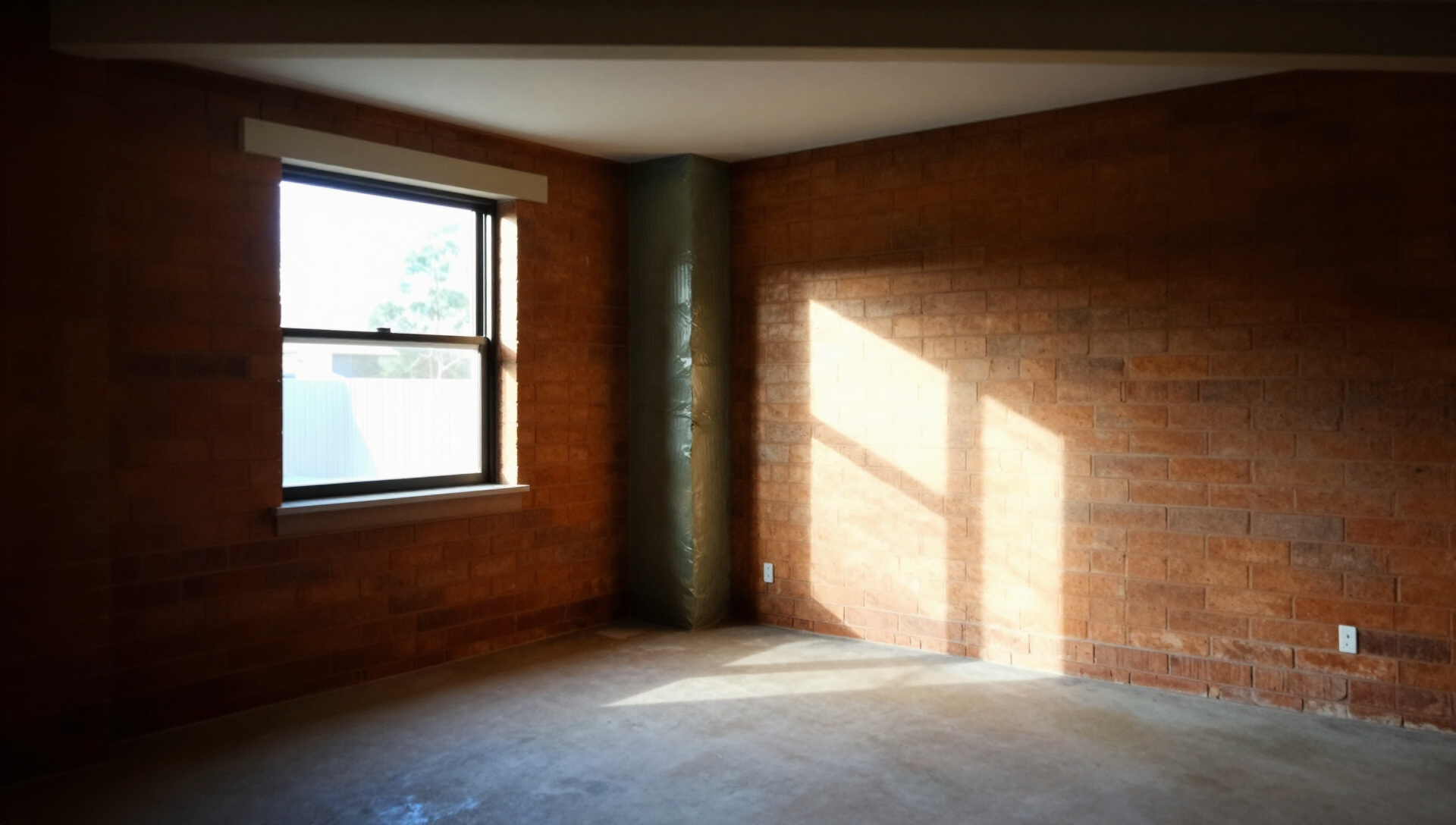
Southbank’s mix of older brick homes and modern apartments faces Melbourne’s cold winters and hot summers. Cavity wall insulation addresses the specific thermal weaknesses of brick construction, delivering measurable comfort and cost benefits.
Uninsulated brick walls lose up to 35 percent of a home’s heat in winter and absorb radiant heat in summer. Cavity insulation reduces this transfer, so your heater and air conditioner run less often.
Insulated cavities slow the rate of heat flow, keeping living spaces warmer in winter and cooler in summer without the spikes and drops that force thermostats to overwork.
By moderating the temperature difference between the inner and outer wall, cavity insulation helps prevent internal condensation that can lead to mould and damp issues in Southbank homes.
Unlike internal wall linings or external cladding, cavity insulation is installed within the existing wall structure, so you keep every square metre of your home.
The process does not require removing plaster, wallpaper or paint. Once the small access holes are patched and coloured, the only sign of the work is better comfort.
Many Southbank properties are interwar and postwar brick veneer or double brick. Cavity insulation is one of the few practical ways to improve their thermal performance without major renovations.
A cavity wall insulation job in Southbank typically takes one day for an average home. The installer first checks the wall type and condition, then drills, injects and patches in a systematic pattern to ensure full coverage.
The installer inspects the wall construction and checks for damp, cracks or existing damage. If old insulation is present and might contain asbestos, work stops until a qualified assessor inspects it.
Small holes are drilled into the mortar joints at regular intervals, usually every 500 to 600 millimetres. This pattern ensures the insulating material reaches every part of the cavity.
Loose-fill material or foam is injected into the cavity through the holes. The installer uses specialist equipment to control the flow and density, avoiding gaps or over-packing that could cause bridging.
Once the cavity is filled, the holes are plugged with matching mortar and coloured to blend with the existing brickwork. The result is a seamless finish with no visible signs of the work.
Southbank’s high-density mix of apartments and older brick homes means many residents live in properties with uninsulated external walls. Cavity wall insulation is a practical upgrade for brick veneer and double brick houses, improving thermal performance without altering the building’s exterior. For apartments, body corporate approval is usually required before any wall work, so check your building’s rules before proceeding.
Expert Insulation Melbourne installs cavity wall insulation in Southbank brick homes to cut heat loss and gain through external walls.
Homeowners in Southbank often ask about suitability, cost factors and whether cavity wall insulation is worth the investment. Here are the key points to consider before booking an inspection.
Cavity wall insulation in Southbank targets the hidden gap between the inner and outer layers of brick veneer and double brick walls. In Melbourne’s climate, uninsulated brick walls account for a large share of winter heat loss and summer heat gain, forcing heating and cooling systems to work harder. Filling the cavity with insulating material slows this transfer, reducing energy use and improving comfort without changing the look of your home.
The process is non-invasive. Installers drill small holes in the mortar, inject the insulation and patch the holes to match the existing brickwork. For Southbank’s older brick homes, this is often the only practical way to add wall insulation without removing internal linings or external cladding. The work usually takes a day and leaves no mess inside the house.
Not every wall is suitable. Cavity insulation works in brick veneer and double brick construction with a clear air gap. Solid brick, weatherboard or cavity walls with moisture issues may not be candidates. An on-site inspection in Southbank will confirm the wall type and condition before any work begins. If asbestos is suspected in existing materials, a qualified assessor must inspect before proceeding.
Expert Insulation Melbourne installs cavity wall insulation in Southbank brick homes to reduce heat loss and gain through external walls. Call to book an inspection and quote.