
Lower heating and cooling costs
Ceiling insulation reduces heat loss in winter and heat gain in summer, cutting the workload on heaters and air conditioners. This directly lowers energy bills in Southbank’s climate of cold winters and hot summers.
Southbank
Ceiling insulation fitted between joists in your roof space stops winter heat loss and summer heat gain in Southbank apartments and units. We install glasswool, polyester and rockwool batts to improve thermal resistance and cut heating and cooling costs.
Share your details and Expert Insulation Melbourne will contact you about Ceiling Insulation in Southbank.
Ceiling insulation is installed between the ceiling joists in the roof space to slow heat transfer through the ceiling. In Southbank’s high-rise and medium-density housing, this is the most effective way to reduce winter heat loss and summer heat gain through the ceiling plane. We use bulk insulation batts in glasswool, polyester or rockwool to achieve typical ceiling R-values from R4. 0 to R6.
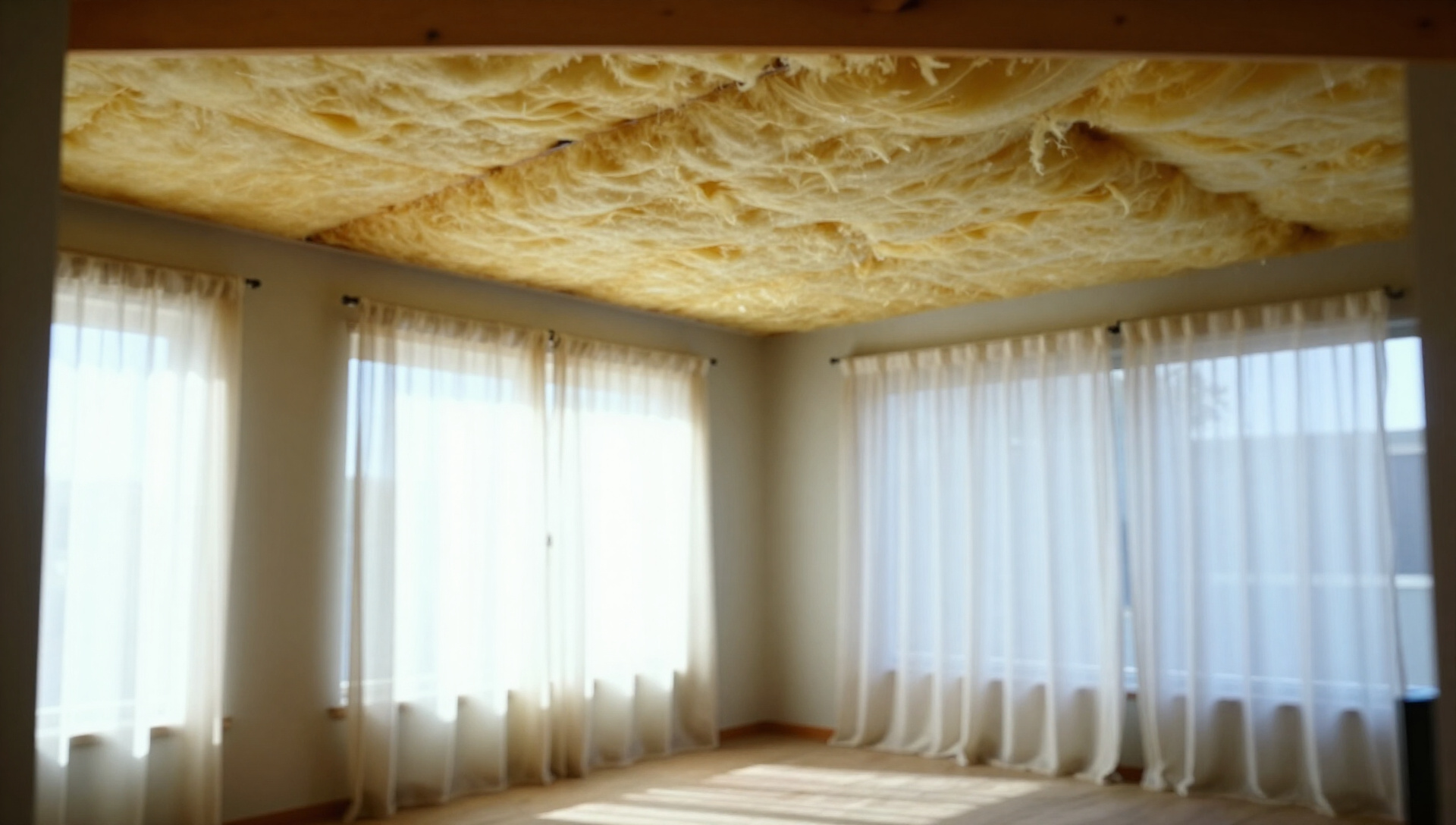
Southbank’s mix of apartments and older units often have uninsulated ceilings or thin, compressed batts that no longer perform. Proper ceiling insulation reduces energy use, improves comfort and helps manage condensation in the roof space.
Ceiling insulation reduces heat loss in winter and heat gain in summer, cutting the workload on heaters and air conditioners. This directly lowers energy bills in Southbank’s climate of cold winters and hot summers.
Bulk batts trap still air, slowing heat transfer through the ceiling. This keeps living spaces warmer in winter and cooler in summer without temperature swings.
A well-insulated ceiling reduces the temperature difference between the roof space and living areas, which helps prevent condensation forming on ceiling surfaces.
Dense bulk insulation also absorbs airborne noise, reducing sound transfer between floors in multi-storey Southbank buildings.
Quality glasswool, polyester or rockwool batts retain their thickness and R-value over time, unlike old compressed material that loses effectiveness.
We install ceiling insulation in plasterboard, corniced and raked ceilings, working around cables, pipes and downlights to meet clearance requirements.
We access the roof space through the manhole or scuttle hatch, then lay batts between the ceiling joists. For topping up, we remove old compressed material first and vacuum dust before fitting new batts.
We check access, structural condition and existing insulation. If old batts may contain asbestos, work stops until a qualified assessor inspects them.
We clear debris and vacuum dust from the roof space. This improves air quality and ensures new batts sit flat against the ceiling.
Batts are cut to fit snugly between joists without gaps. We maintain required clearances around downlights, flues and electrical cables.
We verify coverage, check for gaps and ensure no insulation is covering vents or exhausts. All entry points are sealed and the area is left clean.
Southbank’s high-density housing includes many apartments and units with shared roof spaces and limited access. Ceiling insulation is still effective in these buildings, reducing heat transfer through the top floor ceiling. We work with body corporates and owners to install or top up insulation in common roof spaces and individual units.
Improve thermal performance in Southbank apartments and units with ceiling batts installed in the roof space.
Common questions about ceiling insulation for Southbank homes, from R-values to access and cost factors.
Ceiling insulation in Southbank targets the main path for heat loss and gain in homes. In Melbourne’s climate, up to 35% of heating and cooling energy can escape through an uninsulated ceiling. Installing bulk batts between ceiling joists slows this transfer, improving comfort and reducing energy use.
For Southbank apartments and units, ceiling insulation is installed in the roof space above the top floor. We use glasswool, polyester or rockwool batts with typical R-values from R4.0 to R6.0 for ceilings. These materials trap still air to provide thermal resistance, and dense options also dampen noise between floors.
Signs your Southbank property needs ceiling insulation include cold ceilings in winter, excessive dust in the roof space, or old batts that are thin, compressed or damaged. We remove old material, vacuum dust and fit new batts to restore performance. Access via the manhole or scuttle hatch is usually sufficient, and work is completed in a few hours with minimal disruption.
Call Expert Insulation Melbourne on 0399695249 or email info@expertinsulationmelbourne. com. au to discuss ceiling insulation for your Southbank property.