
Lower cooling costs in summer
Reflective roof insulation reduces the amount of heat entering your home through the roof. This means your cooling system runs less often, cutting energy use and power bills during Melbourne’s hot summers.
Southbank Roof Insulation
Roof insulation installed under tiles or metal sheeting in Southbank cuts summer heat gain through the roof. We fit foil-faced blankets and sarking for raked or cathedral ceilings, keeping your home cooler when Melbourne’s hot northerlies hit.
Share your details and Expert Insulation Melbourne will contact you about Roof Insulation in Southbank.
Roof insulation is installed at the roofline directly under your tiles or metal sheeting. In Southbank’s high-density apartments and townhouses with exposed upper floors, this layer blocks radiant heat before it enters the living space. Foil-faced blankets and sarking are the most common products, reflecting heat away while allowing moisture to escape.
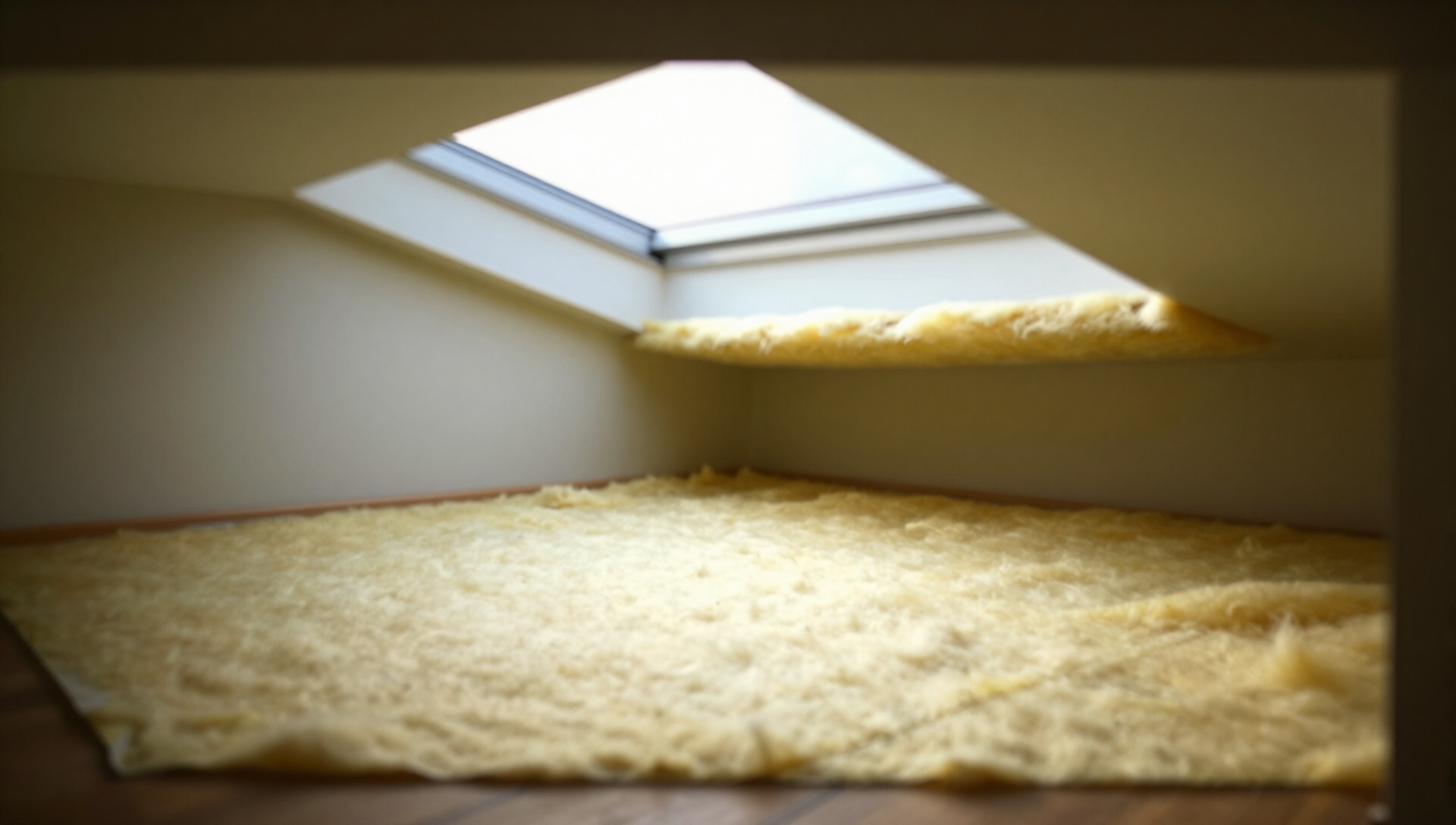
Southbank’s mix of high-rise apartments and modern townhouses often have large roof areas exposed to the sun. Without insulation at the roofline, heat radiates down into living spaces, forcing air conditioners to work harder. Roof insulation addresses this by reflecting heat before it penetrates the building envelope.
Reflective roof insulation reduces the amount of heat entering your home through the roof. This means your cooling system runs less often, cutting energy use and power bills during Melbourne’s hot summers.
By blocking radiant heat at the source, roof insulation helps maintain steadier temperatures inside. This is especially valuable in Southbank’s upper-level apartments where heat builds up under the roof.
Ceiling batts alone cannot stop heat radiating through the roof. Roof insulation takes the first hit, reducing the thermal load on your ceiling insulation and preserving its effectiveness over time.
With less heat entering through the roof, your air conditioner cycles on less frequently. This extends the life of your unit and reduces the risk of breakdowns during heatwaves.
Roof insulation complements ceiling batts by addressing a different heat path. In Southbank homes with limited roof space access, it can be installed without disturbing existing ceiling insulation.
Sarking under metal sheeting provides a secondary moisture barrier, preventing condensation from dripping into the roof space and damaging ceiling materials or electrical wiring.
Installing roof insulation requires access to the roof cavity, either from inside the roof space or by lifting sections of roofing. We work carefully to avoid damaging existing structures and ensure the product is fitted correctly for maximum thermal performance.
We assess your roof type, pitch and existing materials to determine the best product. For tiled roofs, foil-faced blankets are common. For metal roofs, sarking is often the best choice. We also check for cables, pipes and other obstructions in the roof space.
Access is gained through the roof space where possible. For some Southbank townhouses, this may require temporary removal of ceiling panels. We lay protective sheeting to keep dust and debris contained and ensure a clean workspace.
Foil-faced blankets are stapled or fixed between rafters under the roofline, with an air gap maintained for reflectivity. Sarking is laid directly under metal sheeting before it is fixed. All joins are taped to maintain the vapour barrier.
We verify that the insulation is securely fixed with no gaps or compression. Any removed ceiling panels are reinstated, and the roof space is vacuumed to remove dust. A final walkthrough ensures the site is left clean and the installation meets thermal performance expectations.
Southbank’s modern apartments and townhouses often have large roof areas and limited ceiling space. Roof insulation is a practical solution to reduce heat gain without major structural changes. For homes near the Yarra River, reflective products also help manage moisture from humidity and condensation.
We install roof insulation in Southbank to cut summer heat gain through tiled and metal roofs.
Homeowners in Southbank often ask how roof insulation differs from ceiling insulation and whether it’s worth the investment. Here are the key details to help you decide.
Roof insulation in Southbank targets the primary entry point for summer heat in many homes. Unlike ceiling insulation, which slows heat transfer through the roof space, roof insulation reflects radiant heat at the roofline before it enters the building. This is particularly effective for Southbank’s modern townhouses and upper-level apartments with large, exposed roof areas.
Foil-faced blankets and sarking are the most common products for roof insulation. Foil blankets are installed between rafters under the roofline, while sarking is laid directly under metal sheeting. Both require an air gap to function effectively, reflecting up to 95% of radiant heat. In Southbank, where metal roofs are common, sarking also provides a moisture barrier to prevent condensation.
The cost of roof insulation in Southbank depends on roof type, pitch and access. Tiled roofs may require more labour to install foil blankets, while metal roofs with sarking can be quicker. Access through the roof space is ideal, but some townhouses may need ceiling panels removed temporarily. A site inspection will confirm the best approach for your property.
Reduce summer heat gain through your roof with professional installation in Southbank. We use foil-faced blankets and sarking to reflect radiant heat and keep your home cooler.