
Warmer floors in winter
Insulation under the floor reduces heat loss through the timber floorboards, keeping the floor surface warmer and more comfortable to walk on during Southbank’s cold winter months.
Southbank
Underfloor insulation fitted under suspended timber floors in Southbank stops cold floors and draughts through floorboards. We install bulk batts between joists in the subfloor to improve thermal resistance and comfort.
Share your details and Expert Insulation Melbourne will contact you about Underfloor Insulation in Southbank.
Southbank apartments and townhouses with suspended timber floors often suffer from cold floors and draughts rising through gaps in the floorboards. Underfloor insulation is installed between the floor joists from the subfloor or crawl space to create a thermal barrier that reduces heat loss in winter and heat gain in summer. This is particularly effective in older homes where the subfloor is exposed to outside temperatures and wind.
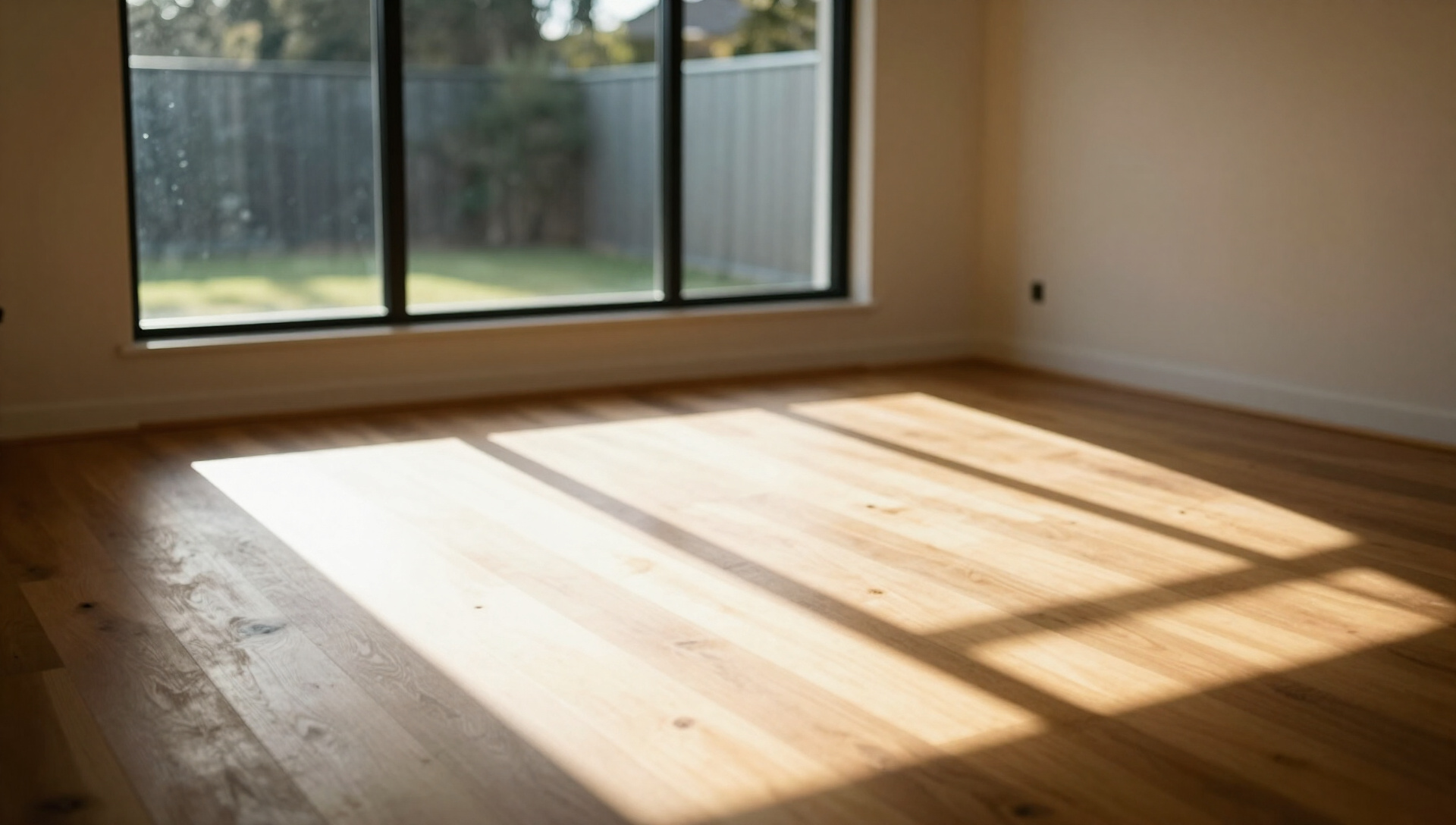
Melbourne’s cold winters and hot summers make temperature control difficult, especially in homes with suspended floors. Underfloor insulation in Southbank addresses the specific issues of cold floors, draughts and energy loss that affect many local properties.
Insulation under the floor reduces heat loss through the timber floorboards, keeping the floor surface warmer and more comfortable to walk on during Southbank’s cold winter months.
Batts fitted between joists block airflow through gaps in the floor, stopping cold draughts from entering living spaces and improving overall comfort.
By reducing heat transfer through the floor, your heating system works less in winter and your cooling system works less in summer, cutting energy use and costs.
Bulk insulation absorbs sound vibrations, reducing noise transfer between floors and from outside, which is useful in multi-level townhouses and apartments.
Properly installed underfloor insulation helps manage moisture in the subfloor, reducing the risk of condensation and damp that can affect timber structures.
Insulating the subfloor protects timber joists and bearers from temperature extremes and moisture, helping to maintain the structural integrity of the floor over time.
Installing underfloor insulation requires access to the subfloor, either through a crawl space or by lifting sections of flooring. The process is straightforward but must be done carefully to ensure full coverage and no gaps.
We check the subfloor for adequate clearance between the ground and joists, typically needing at least 400mm to work safely. If access is limited, we may need to lift floorboards in one room to reach the entire area.
The subfloor is cleared of debris and checked for moisture, pest damage or old insulation. If old batts are present and may contain asbestos, work stops until a qualified assessor inspects them.
Bulk insulation batts are cut to size and friction-fitted between the floor joists, ensuring a snug fit with no gaps. We use glasswool, polyester or rockwool depending on your preference and the space available.
We verify that all joist bays are filled and that the batts are secure and not sagging. The subfloor is then cleared of offcuts and debris, and access points are sealed.
Southbank’s mix of high-rise apartments and older-style townhouses includes many properties with suspended timber floors. These floors are prone to cold surfaces and draughts, especially in winter when outside temperatures drop. Underfloor insulation is a practical solution for these homes, improving comfort and reducing energy use without disrupting the living space above.
Stop cold floors and draughts in Southbank townhouses with underfloor insulation installed between floor joists.
Homeowners in Southbank often ask about the practicalities of underfloor insulation, including access, cost factors and suitability for their property.
Underfloor insulation in Southbank addresses the common issue of cold floors in homes with suspended timber flooring. By installing bulk insulation batts between the floor joists from the subfloor, we create a thermal barrier that reduces heat loss in winter and heat gain in summer, improving comfort and energy efficiency.
Southbank properties with limited subfloor access may require partial floorboard lifting to install insulation. The chosen R-value, typically between R1.5 and R2.5 for underfloor applications, affects thermal performance, with higher R-values providing better resistance to heat flow.
Signs your Southbank home needs underfloor insulation include cold floors in winter, noticeable draughts through floorboards and higher than expected heating costs. Older homes with uninsulated subfloors benefit the most, as do properties near the Yarra River where exposure to wind can increase heat loss.
Call Expert Insulation Melbourne on 0399695249 or email info@expertinsulationmelbourne. com. au to discuss underfloor insulation for your Southbank home.